Delaware’s Multifamily Housing Boom and What It Means for Renters
Delaware has become one of the most closely watched housing markets in the Mid-Atlantic region. Over the past several years, the state has experienced steady population growth, changing lifestyle preferences, and increasing demand for rental housing. Young professionals, families, retirees, remote workers, and people relocating from neighboring states are all contributing to a growing need for quality homes. As a result, developers have responded by investing in new apartment communities, mixed-use neighborhoods, and modern residential complexes designed to meet evolving housing expectations.
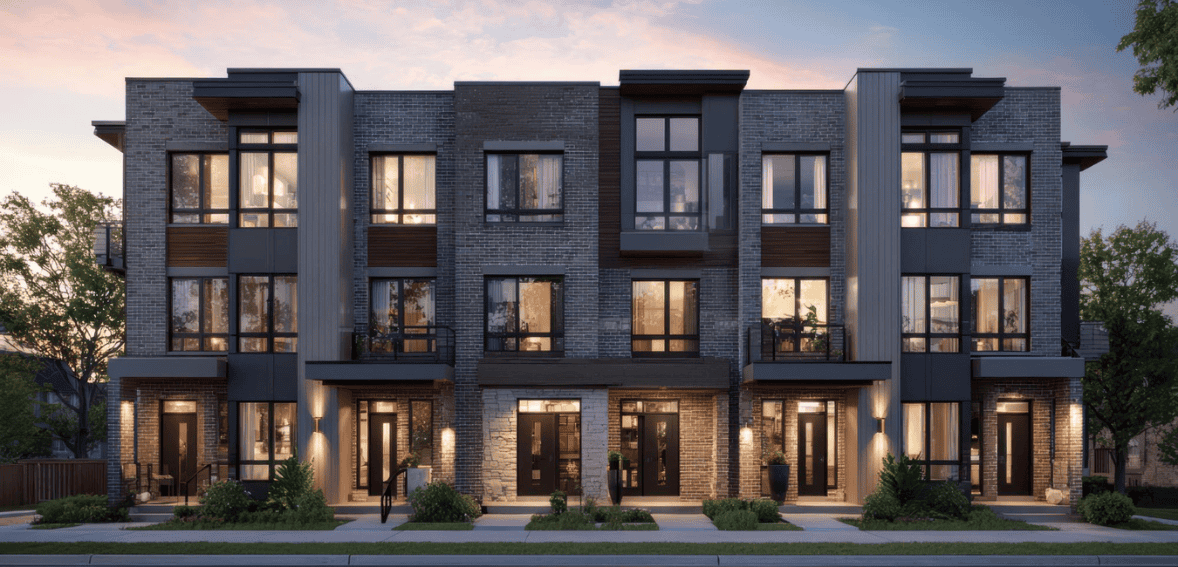
While single-family homes still contribute to the housing market significantly, the most rapidly developing sector of residential building is multifamily development projects. Various housing types such as apartments, townhouse communities, and mixed use developments emerge in both urban and suburban settings, thus offering more rental housing options for tenants. The developments in question not only reshape the face of the housing market but also the approach to communities creation and connectivity.
The development trend in question opens up opportunities but at the same time imposes certain requirements on the renters’ choice. Increased housing supply will enhance competition among landlords but at the same time high demand in certain locations will affect the rental cost. Being familiar with the development of multifamily housing Delaware, apartment development Delaware, new rentals Delaware, real estate growth Delaware, as well as Delaware housing projects will help renters to choose their rental option.
Understanding the Growth of Delaware’s Rental Market
Housing demand in Delaware has increased steadily due to a combination of demographic and economic factors. The state’s location between major metropolitan areas such as Philadelphia, Baltimore, and Washington, D.C. makes it attractive to commuters, professionals, and businesses. At the same time, Delaware offers a relatively favorable tax environment, coastal communities, and an appealing quality of life that continues to attract new residents.
Population changes have also influenced housing preferences. Younger adults are delaying homeownership longer than previous generations, while many retirees are choosing maintenance-free apartment living instead of purchasing another house. These shifts have contributed to sustained demand for rental properties across multiple price ranges.
Developers have responded by increasing investment in multifamily housing Delaware, recognizing that rental demand extends beyond traditional apartment markets. Today’s developments increasingly serve a wide variety of residents with different lifestyles, budgets, and long-term housing goals.
What Is Multifamily Housing?
Multifamily housing is the term used for housing complexes which are meant to house many families in one building complex. Examples of multifamily housing include apartment buildings, duplexes, housing complexes made up of townhouses, rental condominium buildings and even multifamily residences.
In contrast to the detached single family home, the multifamily housing complex has common amenities such as parking lots, recreational areas, gyms and community meeting centers. This is a very efficient way of using land as well as providing residents with more benefits. The growth of multifamily housing in Delaware is not due to a shift away from traditional ownership of homes but rather due to the changing needs of residents in various stages of their lives.
Why Developers Are Building More Apartments
There are several factors that have contributed to apartment development in Delaware over the last few years. The increase in housing needs has provided the opportunity for construction companies to invest in communities that can house a larger population. Multifamily property development is a way through which construction companies can construct housing in a cost-effective manner where land may not be easily available.
The changes in consumer tastes have played a major role in increasing apartment demand. Most tenants are looking for professionally managed apartment complexes that provide maintenance services and modern amenities with close proximity to centers of employment, shopping, health care facilities, and recreation. Apartment complexes are also seen as a reliable way through which developers can invest in housing communities due to the growth in population and business in Delaware.
Delaware’s Population Trends and Housing Demand
Population growth has played an important role in shaping Delaware’s housing market. The state continues attracting individuals relocating for employment opportunities, retirement, education, and lifestyle reasons. Remote work has also allowed more people to choose housing based on quality of life rather than daily commuting requirements.
As populations increase, housing demand naturally follows. Existing housing inventory often cannot immediately accommodate new residents, encouraging additional residential construction across various market segments.
This ongoing Delaware real estate growth has increased interest in both urban redevelopment and suburban expansion. Communities are balancing the need for additional housing with transportation improvements, infrastructure investments, environmental considerations, and long-term planning initiatives.
The Rise of Mixed-Use Communities
Apartment construction in contemporary times is becoming an integral element of the mixed-use neighborhoods where residential and commercial facilities such as shops, eateries, restaurants, health care facilities, etc., exist. The mixed use of land enables reduction of transportation distance and enhances the quality of life.
The residents of the areas have grocery stores, restaurants, health care facilities, gyms, parks, and recreational centers close to their residence. It becomes especially attractive for renters who do not want to depend too much on automobiles. Most of the recent construction of housing projects in Delaware has been using mixed-use of land since it promotes community development as well as effective utilization of land.
What More Apartment Supply Means for Renters
A higher supply of housing usually means that renters have more choices while looking for houses. As opposed to only having a few options available, people who rent can compare neighborhoods and look at what is offered in each neighborhood, including price and lease agreement.
Increased availability may also make property owners more competitive by providing better customer service, offering better facilities, being more flexible regarding the lease agreements, and offering move-in incentives. While prices will still be determined by the conditions in the area, an increased housing supply will also result in increased competition. Thus, the growth of the number of rental houses in Delaware is very beneficial for renters.
Modern Amenities Are Becoming Standard
Today’s apartment communities often include amenities that were once considered luxury features. Fitness centres, coworking spaces, package lockers, pet-friendly facilities, outdoor gathering areas, walking trails, smart home technology, and community lounges are increasingly common in newly constructed developments.
Developers recognize that renters evaluate more than square footage when selecting housing. Convenience, lifestyle, technology, and shared community spaces all influence rental decisions.
Many apartment development Delaware projects therefore emphasize resident experience alongside housing availability. These investments help properties remain competitive while meeting evolving consumer expectations.
Affordability Remains an Important Consideration
Even though housing construction increases availability, affordability remains an essential concern for many tenants. Factors like construction cost, price of land, financial costs, lack of workers, and infrastructure costs affect the rental rate of new housing.
The rental rate of new housing is generally high compared to that of old housing as the new housing comes with state-of-the-art facilities and energy-efficient buildings. The increased housing stock can potentially have indirect impacts on the wider market environment.
Market trend knowledge will become even more critical as the growth of real estate property continues in Delaware. Tenants should consider the overall housing value rather than just considering the rental cost per month.
Location Continues to Matter
Not every area of Delaware experiences identical development patterns. Some communities attract stronger investment because of employment opportunities, transportation access, educational institutions, healthcare facilities, or commercial growth.
Renters evaluating new rentals Delaware should consider commute times, nearby services, neighborhood character, school districts where applicable, recreational opportunities, and future development plans alongside rental pricing.
Choosing the right location often influences overall quality of life just as much as selecting the apartment itself. Long-term community planning therefore plays an important role in shaping successful residential developments.
Sustainability in New Residential Communities
Environmental sustainability has become an increasingly important consideration for developers constructing modern apartment communities. Energy-efficient appliances, improved insulation, water-saving fixtures, LED lighting, electric vehicle charging stations, and sustainable landscaping practices are becoming more common.
These features may reduce utility costs while supporting broader environmental goals. Developers also recognize growing consumer interest in energy-efficient housing and environmentally responsible construction practices.
Many newer Delaware housing projects incorporate sustainability into both building design and long-term property management strategies, benefiting residents through lower operating costs and improved living environments.
The Impact on Local Communities
Large residential developments influence surrounding communities in multiple ways. New residents support local businesses, create demand for additional services, and contribute to economic activity throughout nearby commercial districts.
Growing populations also increase demand for schools, transportation improvements, healthcare facilities, parks, utilities, and public infrastructure. Successful planning therefore requires coordination between developers, local governments, utility providers, and community stakeholders.
Balanced Delaware real estate growth depends on ensuring residential expansion occurs alongside investments supporting long-term community sustainability and quality of life.
Opportunities for First-Time Renters
Individuals renting independently for the first time often benefit from increased housing availability because they have more opportunities to compare properties and lease options before making decisions.
Professionally managed apartment communities frequently offer online applications, digital leasing, maintenance request systems, and resident communication platforms that simplify the rental experience for newcomers.
The continued expansion of multifamily housing Delaware also provides first-time renters with access to different property styles ranging from traditional apartment buildings to townhome communities and mixed-use developments.
Challenges Renters Should Still Consider
Despite increasing housing development, renters should carefully evaluate lease agreements, security deposits, pet policies, parking availability, maintenance responsibilities, utility arrangements, and renewal terms before signing contracts.
Demand remains strong in many desirable locations, meaning highly sought-after properties may lease quickly. Planning housing searches well in advance often improves available choices.
While additional new rentals Delaware creates opportunities, renters should continue conducting careful research to identify properties matching both financial circumstances and lifestyle needs.
How Technology Is Changing Apartment Living
Technology now influences many aspects of residential living. Online leasing, digital rent payments, smart building access, maintenance tracking applications, package management systems, and virtual property tours have become increasingly common.
These digital tools simplify communication between residents and property management teams while improving operational efficiency. Renters often appreciate being able to complete administrative tasks conveniently through mobile devices.
Many recent apartment development Delaware communities incorporate technology from the beginning, recognizing that digital convenience has become an important factor influencing resident satisfaction.
Looking Ahead at Delaware’s Housing Market
Most analysts expect housing demand to remain relatively strong as Delaware continues attracting residents from surrounding regions. Population growth, demographic shifts, economic development, and evolving workplace flexibility all support ongoing demand for rental housing.
Future development will likely continue balancing multifamily construction with infrastructure improvements, environmental considerations, and community planning objectives. Developers may increasingly focus on mixed-use communities offering walkability, sustainability, and diverse housing options.
Continued investment in Delaware housing projects suggests that rental housing will remain an important component of the state’s broader residential development strategy for years to come.
Tips for Renters Exploring New Communities
As more apartment communities become available, renters should approach housing searches thoughtfully. Visiting multiple properties, comparing lease terms, reviewing included amenities, researching neighborhoods, and understanding total monthly housing costs all contribute to better decisions.
Prospective tenants should also ask about maintenance response times, parking arrangements, renewal policies, utility responsibilities, and community rules before signing leases. Understanding these details often prevents misunderstandings later.
The growing selection of multifamily housing Delaware provides renters with valuable opportunities, but careful comparison remains the best way to identify housing that aligns with individual priorities.
Conclusion
Delaware’s expanding rental market reflects broader demographic, economic, and lifestyle changes shaping residential housing across the region. Continued investment in multifamily housing Delaware and increasing apartment development Delaware are providing renters with more choices while supporting communities experiencing sustained population growth. Modern developments increasingly combine convenience, technology, shared amenities, and thoughtful community planning to meet evolving housing expectations.
For renters, the availability of new rentals Delaware offers greater flexibility when selecting homes that match individual budgets, commuting needs, and lifestyle preferences. At the same time, ongoing Delaware real estate growth continues influencing rental demand, neighborhood development, and long-term housing opportunities throughout the state. Large Delaware housing projects are not simply adding more apartments but reshaping how communities are designed and connected.
While affordability, location, and market conditions remain important considerations, the overall expansion of Delaware’s multifamily housing sector provides encouraging opportunities for current and future renters. By understanding local market trends, comparing available properties carefully, and evaluating both present needs and future priorities, renters can make informed housing decisions within one of the region’s evolving residential markets.